What Is Progressive Overload?
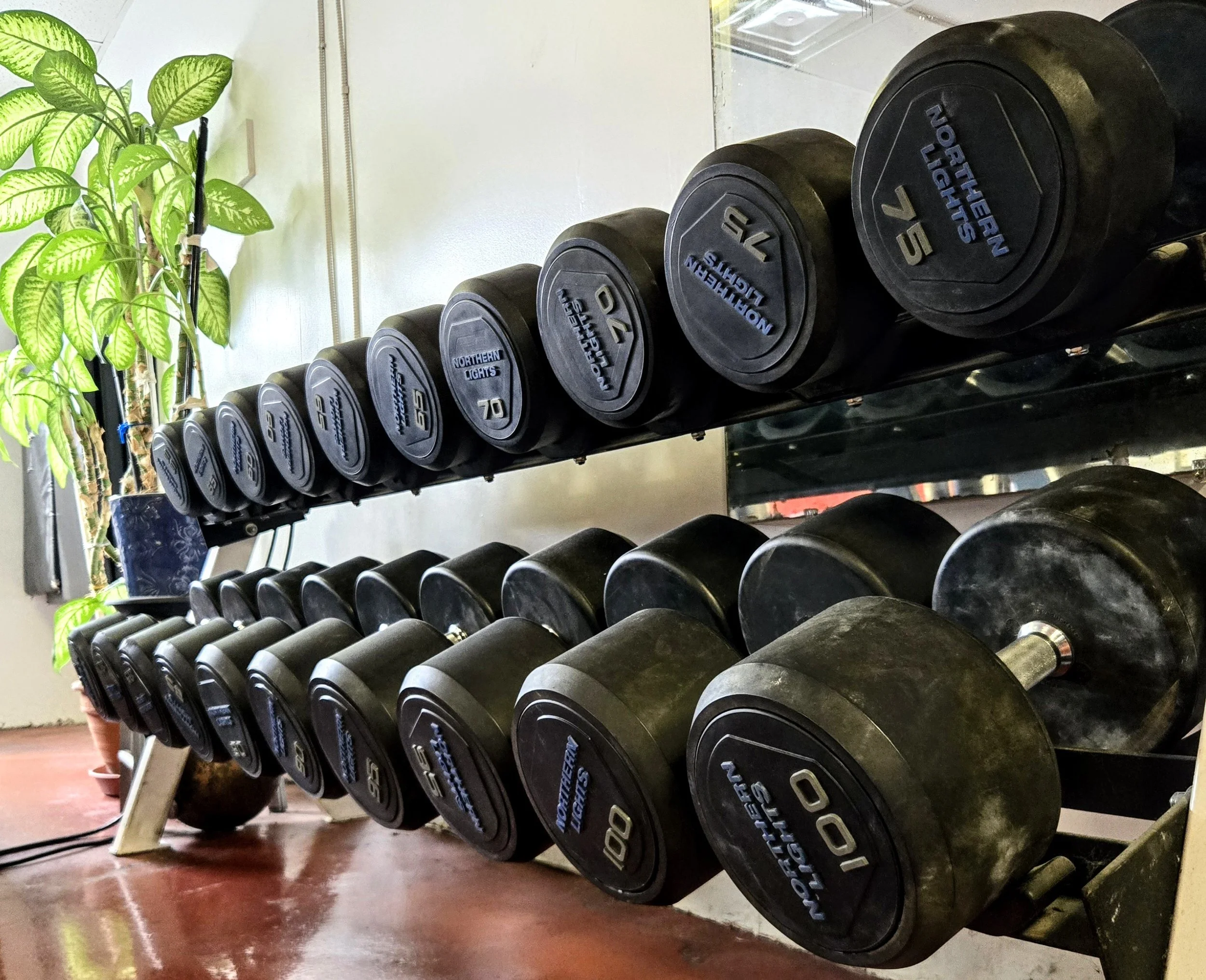
Getting from 5-50lb in a given exercise depends on how you structure progressive overload in your program
A Never Ending Process
The process of learning a new skill is ongoing. As anyone who’s ever attempted to learn an instrument, a martial art, or something like pottery knows, setting out on the journey of mastery is full of ups and downs. There are periods when you’re fully engaged and motivation comes easy, and periods full of frustration where you can’t remember why you started in the first place.
Getting stronger is a skill, and is no different from any other form of skill acquisition. Like any community that grows around a special interest, there are a bunch of terms that get thrown around that can be confusing to the uninitiated. “Progressive Overload” is one such term.
What Is Progressive Overload?
In essence, progressive overload is the manipulation of some dimension of training in order to keep the exercise(s) challenging. You could increase the weight on the bar, increase the number of reps you do per set, make the exercise more challenging (i.e. turn a split squat into a bulgarian split squat), increase range of motion, or change the tempo of the exercise (how long it takes to do each rep) to name a few. You can add weight each week or increase reps each week or every couple of weeks. Make changes when the exercises start to feel too easy, and repeat.
Sounds simple, right?
Just like when learning any other skill, knowing exactly when and how much to increase the difficulty of the exercises is a challenge in and of itself; trying to play Eruption by Van Halen when you barely know how to hold a guitar would be discouraging to anyone (although the desire to learn the song might be a good motivator when harnessed correctly). Likewise, adding too much weight all at once or too quickly, or trying to do a muscle up when you haven’t built strength in the pullup can discourage newcomers to the gym, and can also result in injury. How and when to increase the difficulty of a movement is something that needs to be approached with relative caution, and working alongside a trainer or an experienced friend is a great way to help figure it out.
However,
It can be easy to stay in one place for too long as well, and to never fully push yourself, even as things get easy. Complacency is a risk, and having a community around you to help push you can be a great way to keep yourself moving forward. Setting time-based goals can help ward off complacency if you are someone who can fall into a rut with your training (I know I am). Things like “I want to add 20lb to my deadlift in 2-3 months,” or “I want to do a pullup in 6 months,” are great goals, and will help to direct your programming.
So, to conclude:
Progressive Overload is the backbone of fitness and the skill of getting stronger. It is how someone can work their way up to running a marathon, doing a single arm pullup, or deadlifting over 1000lb. It is the way in which anyone masters any skill, and with careful attention and intention, will help to keep you on track to reaching your goals.
If you live in Toronto, and are looking for some guidance on how to structure your strength training and progressive overload, schedule a consultation call now to get the ball rolling! And if you have any questions, feel free to send me an email and I’ll answer as best I can!
